favorite.click
We hope you love our content!
favorite.click
We hope you love our content!

The most coveted luxury of 2026 is no longer a table at a Michelin-starred bistro or a glass-walled penthouse in Hudson Yards. It is, instead, the quiet, elusive state of “Stage 3” non-rapid eye movement sleep.
As the lines between labor and leisure have dissolved into a 24-hour digital slurry, New Yorkers are finding themselves in the grip of a collective exhaustion. We are a demographic over-caffeinated and under-rested, staring into the blue-light abyss of our smartphones, hoping for a physiological surrender that refuses to come.
“We have treated sleep as a negotiable utility,” says Dr. Aris Thorne, a sleep neurologist at NYU Langone. “We think of it like a bank account we can overdraw during the week and repay on Sunday. But the brain doesn’t keep that kind of ledger. Sleep debt is a high-interest loan, and the body always collects.”
The crisis is not merely one of willpower, but of biology. The human body is governed by the circadian rhythm, a 24-hour internal clock anchored in the suprachiasmatic nucleus of the hypothalamus. This system, evolved over millennia to respond to the rising and setting of the sun, is now being systematically dismantled by the modern environment.
When we deprive ourselves of sleep, we aren’t just feeling “groggy.” We are inhibiting the glymphatic system—a recently discovered waste-clearance pathway that flushes metabolic debris, including beta-amyloid proteins associated with Alzheimer’s, from the brain.
“Sleep is not the absence of activity,” Dr. Thorne notes. “It is a period of intense neuro-chemical janitorial work. When you cut sleep short, you’re essentially telling the janitor to go home halfway through the shift.”
For those seeking to reclaim their nights, the solution has shifted away from the medicine cabinet and toward “sleep hygiene”—a set of environmental and behavioral protocols designed to signal the brain that the day is done.
The body’s core temperature must drop by about 1°C to initiate sleep. In the heated apartments of Manhattan, this is often the first barrier. Experts recommend a bedroom temperature of approximately 18°C. A hot bath before bed, paradoxically, aids this process by shunting blood to the surface of the skin, allowing core heat to escape once you step out.
The pineal gland secretes melatonin, the “hormone of darkness,” only when blue light levels drop. The modern habit of “doomscrolling” in bed is, biochemically speaking, an act of self-sabotage. “Your phone is a portable sun,” says Dr. Thorne. “You are telling your brain it is noon when it is actually midnight.”
The brain craves predictability. Waking up at the same time every day—even on weekends—anchors the circadian rhythm, making it easier to fall asleep the following night.
The stakes are higher than a simple case of dark circles under the eyes. The Rand Corporation has estimated that sleep deprivation costs the U.S. economy over $411 billion annually in lost productivity. In the corporate hallways of Midtown, “sleep pods” and “nap rooms” have begun to appear, a corporate admission that a rested employee is a profitable one.
Yet, for many, sleep remains a source of anxiety—a “to-do” item that causes more stress than it relieves. The rise of sleep-tracking wearables has birthed a new phenomenon: “orthosomnia,” an unhealthy obsession with achieving the “perfect” sleep score.
As the clock struck 2:00 AM on a recent Tuesday, the glow of television screens and bedside lamps still flickered in the windows of the East Village. For some, it was a deadline; for others, an unwanted vigil.
But in a small apartment on 11th Street, the lights were out. The phone was in another room. The window was cracked to let in the cool April air. In the darkness, the janitors were finally getting to work.
The Sleep Toolkit: Investing in the Architecture of Rest
As the “sleepmaxxing” trend of the early 2020s gives way to a more pragmatic pursuit of rest, the market for sleep aids has undergone a rigorous refinement. The cluttered nightstands of yesteryear—piled high with erratic trackers and unproven supplements—have been replaced by a “sleep infrastructure” that emphasizes temperature regulation and high-fidelity data.
For those looking to upgrade their nocturnal environment, the current landscape offers a mix of low-tech comfort and high-tech intervention.
The mattress remains the most critical piece of the sleep puzzle. In 2026, the industry has largely moved toward “hybrid” models that combine the structural support of coils with the pressure relief of advanced foams.


If the mattress is the foundation, the bedding is the thermostat. The goal is to facilitate the 1°C drop in core temperature required for deep sleep.


The conversation around sleep tracking has shifted from mere data collection to “real-time intervention.”


While the “Melatonin Era” is largely over—due to concerns about habituation—a new wave of mineral-based aids has taken its place.


| Category | The Recommendation | Why It Matters |
| Mattress | Helix Midnight Luxe | Balanced support for multiple positions. |
| Tracker | Oura Ring 4 | Unobtrusive data on recovery and strain. |
| Light Control | Manta Sleep Mask | 100% blackout is the cheapest sleep hack. |
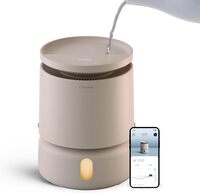
| Climate | Blue Air DreamWell | Humidification is vital for respiratory health. |

“Better sleep isn’t about buying every gadget on the market,” says Dr. Aris Thorne. “It’s about curated interventions. If your mattress is a decade old, a $500 headband isn’t going to save you.”
As we continue to navigate a world that demands their constant attention, these tools offer a way to build a fortress around the most vulnerable, and essential, part of the day.