The Mid-Afternoon Renaissance: Why Your Snack Choice Is a Mental Health Decision
It usually happens around 3:15 p.m. The morning’s caffeine has evaporated, the inbox is replenishing itself at an alarming rate, and the biological siren song of the vending machine begins to wail. For decades, the American answer to this slump was the “glucose spike”: a sleeve of crackers, a granola bar masquerading as a candy bar, or a diet soda.
But a new movement in nutritional psychiatry suggests that these impulsive bites are doing more than just spoiling our dinners. They are destabilizing our moods.
As we move further into 2026, the “healthy snack” has undergone a rebranding. It is no longer a tool for deprivation, but a sophisticated delivery system for cognitive endurance. The goal isn’t just to stop the hunger; it’s to fix the feeling.
The Biology of the “Crash”
The science is relatively straightforward, yet frequently ignored in the heat of a workday. Refined snacks trigger a rapid release of insulin, leading to a blood-sugar trough that the brain interprets as a crisis. This results in the “hangry” phenomenon—a cocktail of cortisol and irritability.
“When you reach for a high-sugar snack, you’re essentially taking out a high-interest loan on your energy,” says Dr. Marcus Thorne, a metabolic researcher. “You feel great for twenty minutes, but you’ll be paying it back with brain fog for the rest of the afternoon.”
To bypass this cycle, nutritionists are pointing toward “synergistic snacking”—pairing fiber with healthy fats to slow digestion and provide a “trickle-charge” of energy to the brain.
The Walnut and Cacao Duo: Walnuts are uniquely high in alpha-linolenic acid (an omega-3 fatty acid), while dark chocolate (70% or higher) contains polyphenols that increase blood flow to the cerebral cortex.
Cultured Cottage Cheese: High in protein and increasingly available in portable formats, it provides the amino acid tryptophan, a precursor to serotonin.
Seaweed and Roasted Chickpeas: A crunchy alternative to chips that offers iodine for thyroid health and a steady release of complex carbohydrates.
“The perfect snack isn’t a miracle pill,” notes Dr. Thorne. “It’s a stabilizer. It keeps the prefrontal cortex—the part of the brain responsible for logic and temperance—online and fueled.”
The Evolution of the Snack Pack
The Old Standard (The Spike)
The New Standard (The Flow)
The Emotional Result
Pretzels / Rice Cakes
Almond Butter & Apple
Sustained focus vs. jitteriness
“Fruit” Leathers
Blueberries & Greek Yogurt
Anti-inflammatory brain boost
Energy Drinks
Matcha or Kombucha
Calm alertness vs. heart palpitations
The Ritual of the Break
Beyond the chemistry of the food, there is the psychology of the act. The New York Times spoke with several “conscious snackers” who treat their mid-afternoon bite as a secular Sabbath—a five-minute window to step away from the screen.
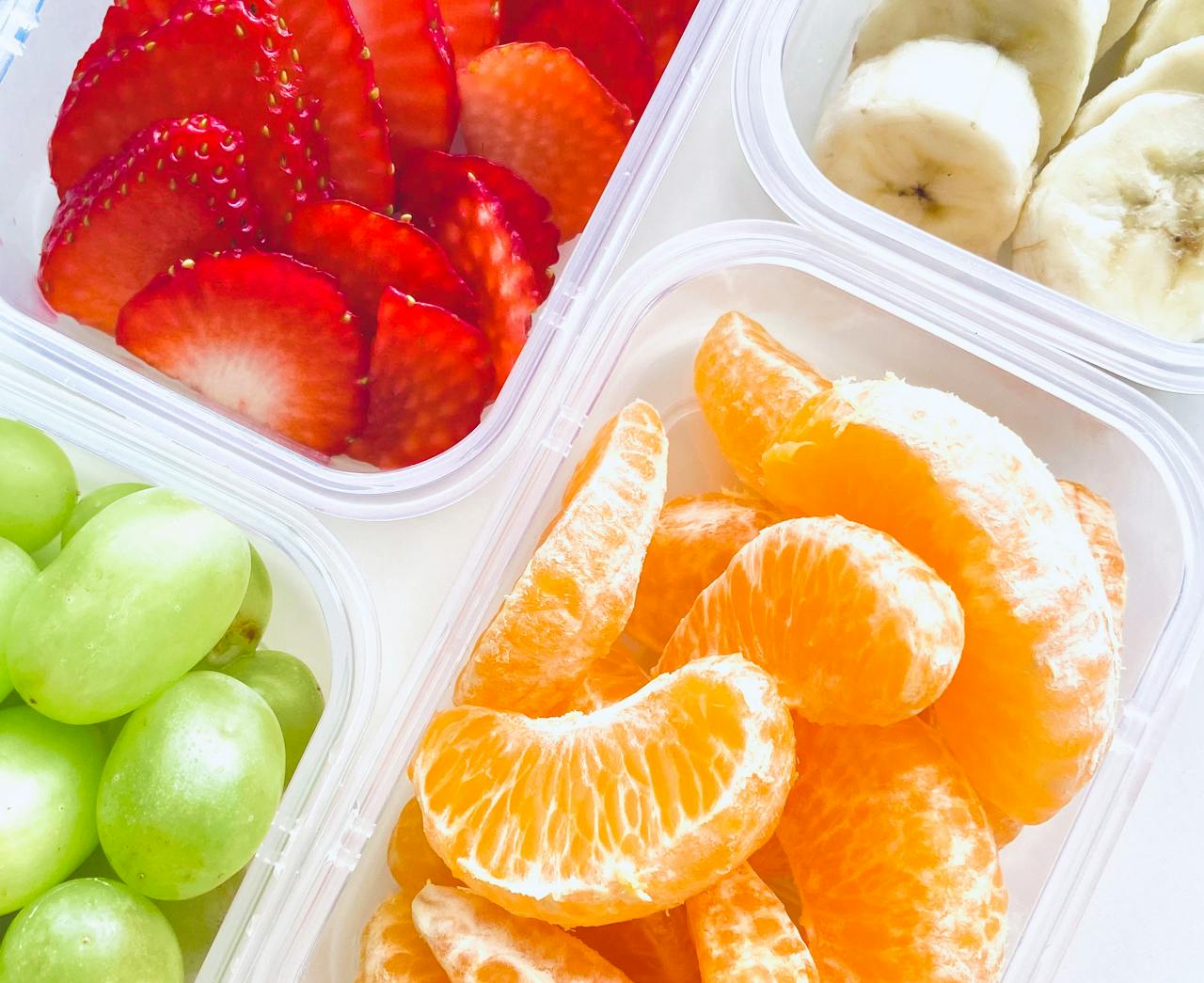
In this context, the snack becomes a grounding mechanism. Peeling a clementine or cracking a pistachio requires a level of tactile engagement that a protein shake does not. It is a forced pause that resets the nervous system as much as the metabolism.
The Verdict
The shift toward “feeling-first” food is a rejection of the hustle culture that treated the human body like a machine that could be overclocked with sugar. By choosing snacks that nourish the microbiome and stabilize the blood-sugar curve, we aren’t just eating healthy—we are practicing a form of neurological self-defense.
To help you navigate the aisles with the precision of a nutritional strategist, I’ve curated a Smart Grocery List. These items are selected specifically for their “low-glycemic” profiles—meaning they provide a steady stream of energy to your brain rather than a chaotic spike and crash.
The “Feel-Good” Pantry Staples
Raw Walnuts or Pecans: High in Omega-3s; keep these in the fridge to prevent the delicate oils from going rancid.
Dark Chocolate (85% Cacao or higher): Look for brands with minimal ingredients (Cacao, Cocoa Butter, a touch of Sugar).
Roasted Chickpeas or Broad Beans: A shelf-stable, crunchy protein source that replaces the “empty” crunch of potato chips.
Pumpkin Seeds (Pepitas): An incredible source of magnesium, which helps regulate cortisol (the stress hormone).
Nut Butters (Almond or Walnut): Ensure the only ingredients are nuts and salt—no added palm oil or cane sugar.
The “High-Focus” Refrigerator Section
Full-Fat Greek Yogurt or Skyr: The protein and fat combo keeps you full for hours.
Hard-Boiled Eggs: The ultimate “brain fuel” containing choline, which is essential for memory and mood.
Berries (Blackberries/Raspberries): These have the highest fiber-to-sugar ratio of any fruit.
Cultured Cottage Cheese: High in casein protein for a slow release of amino acids.
Hummus or Guacamole: Perfect pairing for raw vegetables to ensure you’re getting healthy fats.
The “Tactile” Produce Aisle
Clementines or Sumo Citrus: The act of peeling provides a sensory “micro-break” for your brain.
Mini Cucumbers or Celery: High water content to combat the dehydration that often feels like “hunger.”
Green Apples: Tartness signals alertness to the brain; lower sugar than red varieties.
A Note on “Snack Synergy”
To get the most out of this list, try the 1+1 Rule: Always pair a Fiber (Apple, Carrot, Chickpea) with a Fat/Protein (Almond Butter, Egg, Hummus). This slows down digestion and keeps your mood on an even keel.
The Plant-Powered Protocol: A Vegan Guide to Cognitive Vitality
Transitioning to a vegan snack profile isn’t merely about removal; it’s about strategic substitution. To maintain the “high-focus” and “mood-stabilizing” benefits we discussed, we have to replace animal proteins with plant-based fats and complex fibers that prevent the dreaded insulin spike.
Here is your refined, 100% Vegan Smart Grocery List.
Walnuts & Macadamia Nuts: These are the “gold standard” for vegan brain health. Walnuts provide the essential ALA (Omega-3), while Macadamias offer monounsaturated fats that satisfy hunger signals instantly.
Dry-Roasted Edamame or Chickpeas: These are your “protein anchors.” They offer a satisfying crunch and a significant hit of fiber, which acts as a biological brake for blood sugar.
Extra Dark Chocolate (85%+): Most high-percentage dark chocolate is naturally vegan (just double-check for “milk fat”). It contains theobromine, a gentler stimulant than caffeine.
Hemp Hearts: A vegan “superfood” with a perfect ratio of Omega-6 to Omega-3. Sprinkle these on top of any fruit for an immediate nutritional upgrade.
Pumpkin Seeds (Pepitas): High in zinc and magnesium—the “relaxation minerals” that help buffer the workday stress response.
The “Cool & Cultured” Refrigerator Section
Forager or Kite Hill Greek-Style Almond/Soy Yogurt: Look specifically for “Unsweetened” versions. The probiotics support the gut-brain axis, which is where 95% of your serotonin is managed.
Hummus or Baba Ganoush: These tahini-based dips provide healthy fats that make raw vegetables feel like a substantial meal.
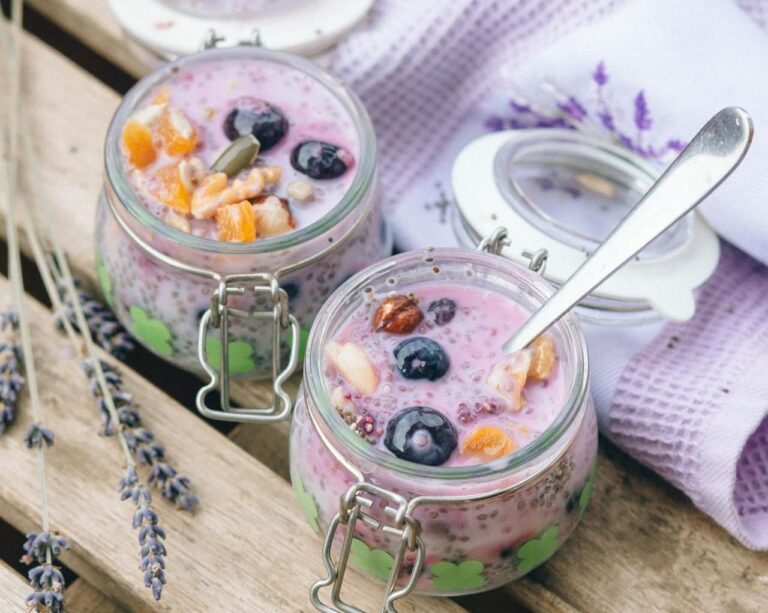
Chia Seed Pudding: (Easy to prep: 3 tbsp chia seeds + 1 cup unsweetened soy/almond milk). It creates a “gel” in the stomach that slows the absorption of sugars from any fruit you add.
Tempeh Strips (Smoky or Plain): A fermented soy product that is much easier on the digestion than processed “fake meats” and provides a savory, high-protein snack option.
The “Hydrating” Produce Aisle
Avocados: The ultimate vegan “brain butter.” The monounsaturated fats support healthy blood flow, which is critical for afternoon focus.
Berries (Blackberries & Raspberries): These are the lowest-sugar fruits, packed with antioxidants that protect neurons from oxidative stress.
Bell Pepper Strips or Jicama: These provide a high-water-content “crunch” that satisfies the urge to chew without the caloric density of chips.
The Vegan “Synergy” Formula
To ensure these snacks actually help you feel better, follow this simple construction:
[One Crunchy Fiber] + [One Creamy Plant Fat]
Example: Sliced Cucumber + Avocado
Example: Apple Slices + Almond Butter
Example: Celery + Hummus & Hemp Hearts
Keto
The Ketogenic Edge: High-Fat Fuel for Intellectual Stamina
In the pursuit of peak performance, the “keto” label has transitioned from a niche weight-loss trend to a targeted strategy for cognitive clarity. By shifting the body’s primary fuel source from glucose to ketones, the brain avoids the volatile fluctuations of the “sugar-burning” cycle.
The goal of a Keto Smart Grocery List isn’t just to cut carbs; it’s to provide high-quality, anti-inflammatory fats that keep the prefrontal cortex fueled and focused. This is your “high-octane” vegan-keto toolkit.
The “Stable-Energy” Pantry
Macadamia Nuts: The undisputed king of keto nuts. They possess the highest fat-to-carb ratio, providing a dense, buttery hit of monounsaturated fats that signals “fullness” to the brain almost instantly.
Pecans & Walnuts: These are your brain-health powerhouses. Low in net carbs and high in antioxidants, they are the perfect desk-drawer defense against afternoon fatigue.
Seaweed Snacks (Nori): For that salty, umami craving. They are virtually carb-free and rich in iodine, which supports the thyroid—the body’s metabolic thermostat.
Artisanal Olives (Jarred or Pouched): A portable source of oleic acid. Olives are one of the few snacks that are almost pure fat and fiber, making them an ideal keto bridge between meals.
Extra Dark Chocolate (90% to 100% Cacao): At this intensity, sugar is negligible. It provides a bitter, sophisticated ritual that halts sugar cravings in their tracks.
The “Brain-Fuel” Refrigerator
Avocados (The “Whole Food” Fat Bomb): The centerpiece of a plant-based keto diet. Rich in potassium and healthy fats, it helps prevent the “keto flu” and keeps blood pressure stable during stressful meetings.
High-Fat Nut Milks (Unsweetened): Look for Macadamia or Cashew blends that are fortified and creamy. Perfect for a quick “fatty matcha” or “fatty coffee” to sustain focus without an insulin spike.
Fermented Vegetables (Kimchi or Pickles): Ensure they are “refrigerated” (live-culture) and have zero added sugar. The crunch satisfies the “chip” urge, while the probiotics support the gut-brain axis.
Tofu or Tempeh Cubes (Air-Fried): A clean, plant-based protein source. When seasoned with salt and smoked paprika, they become a savory, high-protein snack that stays within keto macros.
Celery & Seed Butters: The classic “log” updated. Celery is essentially structured water, providing hydration while the almond or sunflower butter provides the caloric endurance. Also, do not leave out Pumpkin Seed Butter, my absolute favorite!
Radishes: A spicy, crunchy alternative to crackers. They have a negligible glycemic load and provide a sharp sensory “reset” when you’re feeling sluggish.
Leafy Greens (for “Snack Wraps”): Use large Romaine or Collard leaves to wrap around avocado and smoked tempeh. It provides the “hand-held” experience of a sandwich without the lethargy-inducing bread.
The Keto “Golden Rule”
To maintain ketosis and mental clarity, remember the 70/20/10 balance: roughly 70% of your calories from fats, 20% from protein, and only 10% from net carbohydrates.
“Keto isn’t about eating ‘nothing,'” says metabolic coach Sarah Chen. “It’s about eating ‘density.’ When you remove the filler, you’re left with pure, neurological fuel.”
The Nut-Free High-Performance Pantry: Safety Without Sacrifice
By Julian Thorne
Published March 28, 2026
For the modern professional balancing a high-output career with a severe nut allergy—or simply navigating a nut-free workplace—the quest for “brain food” has historically been a minefield. The traditional “healthy” snack architecture is almost entirely built on almonds and walnuts.
But as the science of metabolic health evolves, a new “nut-free” elite is emerging. These snacks aren’t just safe alternatives; they are potent sources of omega-3s and proteins that rival their arboreal counterparts. This is your Vegan, Keto-Friendly, and Nut-Free Smart Grocery List.
No Nuts
The “Steady-State” Seed Vault
When nuts are off the table, seeds become the primary engine for healthy fats. They are often more mineral-dense and easier on the digestive system.
Pumpkin Seeds (Pepitas): These are the “power hitters.” They contain more magnesium per gram than almost any nut, a mineral critical for managing the cortisol spikes of a stressful Tuesday afternoon.
Sunflower Seed Butter (Unsweetened): The “SunButter” revolution. Look for brands with zero added cane sugar. It provides the same creamy, high-fat satiety as almond butter without the allergen risk.
Hemp Hearts: These tiny seeds are a “complete protein,” meaning they contain all nine essential amino acids. They have a mild, nutty flavor and are packed with alpha-linolenic acid (ALA) for brain health.
Roasted Watermelon Seeds: A rising star in the snack aisle. They are higher in protein than sunflower seeds and provide a unique, savory crunch.
Chia Seed Crackers (Flax-based): Look for brands like Mary’s Gone Crackers (specifically their seed-only lines) or make your own. They provide the “crunch” of a potato chip with a glycemic index of near zero.
The “High-Focus” Refrigerator
Avocados (The Allergen-Free Superfood): Naturally nut-free and the cornerstone of the keto-vegan diet. The monounsaturated fats are “fast-acting” fuel for the brain.
Marinated Tempeh Strips or Chips: Since it’s fermented soy, tempeh provides a sturdy, protein-rich bite that keeps you full significantly longer than a salad.
Olives & Hearts of Palm: These are the “secret weapons” of the keto world. Hearts of palm have a “pasta-like” texture but are incredibly low-calorie and high-fiber, making them a perfect vehicle for seed-butter dips.
Cultured Coconut Yogurt (Unsweetened): Ensure it is high-fat and contains live active cultures. It serves as the base for “savory bowls” when mixed with seeds and herbs.
Radishes & Jicama: These are the “structural” snacks. They provide a massive, hydrating crunch. Pair jicama sticks with a squeeze of lime and Tajín for a sensory reset that wakes up the brain.
Mini Sweet Peppers: High in Vitamin C, which is depleted during periods of high stress. Use them as “scoops” for sunflower butter or guacamole.
The Nut-Free “Synergy” Table
The Craving
The Nut-Free Swap
The Biological Benefit
Almonds
Roasted Pumpkin Seeds
Higher Magnesium / Stress Relief
Peanut Butter
Sunflower Butter
High Vitamin E / Skin & Brain Health
Cashew Yogurt
Coconut or Soy Yogurt
Probiotics / Gut-Brain Connection
Trail Mix
Seed & Goji Berry Mix
Low Glycemic / Steady Energy
Resilience in the Seed
“The move toward seed-based nutrition isn’t just a safety precaution,” notes Dr. Marcus Thorne. “It’s an optimization. Seeds are the biological ‘blueprints’ for entire plants—they are arguably the most nutrient-dense objects on the planet.”
By leaning into the seed, the nut-free diner isn’t settling for a substitute; they are accessing a different, arguably more efficient, category of fuel.