favorite.click
We hope you love our content!
favorite.click
We hope you love our content!
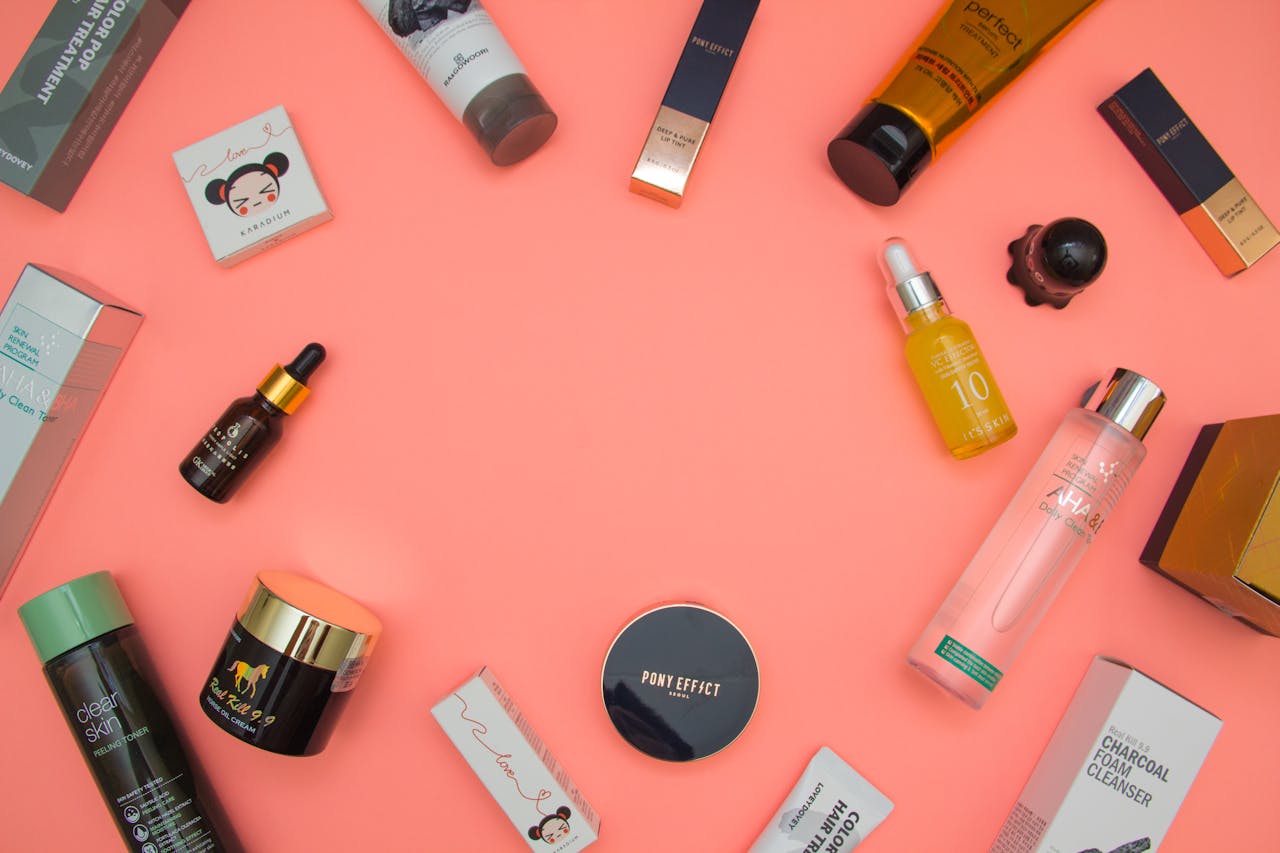
The Glass Skin Maturity: K-Beauty’s Shift from Viral Steps to Biotech Science
There was a time, not so long ago, when the “K-Beauty” phenomenon was defined by a dizzying 10-step routine and the whimsical allure of snail mucin. But in the spring of 2026, the industry has undergone a quiet, clinical maturation. The pastel packaging of the past has been replaced by minimalist, lab-grade aesthetics, signaling a shift from “skincare as a hobby” to “skincare as bio-engineering.”
South Korea is now the world’s second-largest cosmetics exporter, trailing only France. Its latest exports aren’t just products; they are high-tech solutions to the modern “stressed-skin” epidemic.
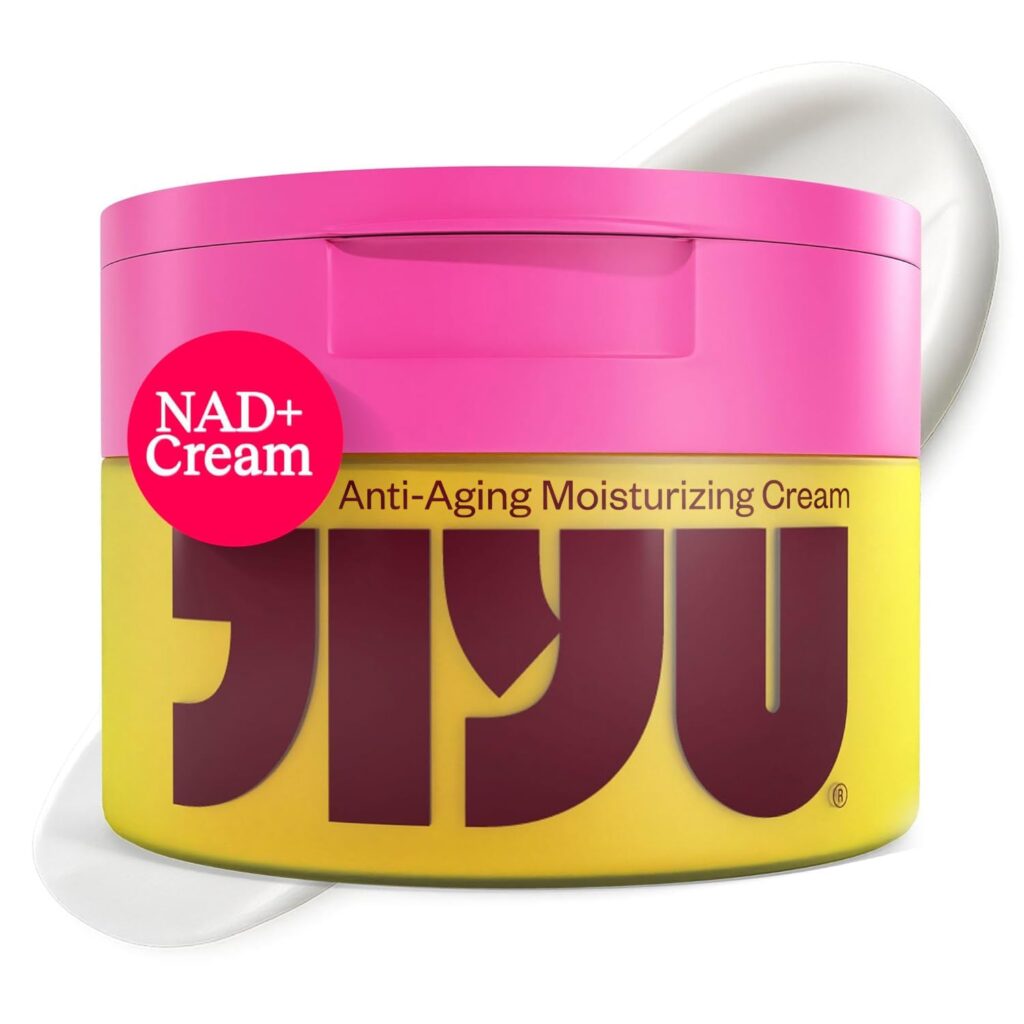
The most significant trend of 2026 is “Intelligent Minimalism.” The exhaustive routines that once required a spreadsheet to track have been condensed into high-performance hybrids.
“The consumer in 2026 is ‘step-fatigued,'” says Dr. Jae Yong Ban, a Seoul-based dermatologist. “They no longer want to layer five different serums. They want one ‘super-essence’ that delivers the efficacy of five.”
This has led to the rise of PDRN (Polydeoxyribonucleotide)—DNA fragments derived from salmon—which has become the “it” ingredient of the year. Unlike the humectants of 2024, PDRN is a regenerative active, designed to “bio-hack” the skin’s healing process at a cellular level.
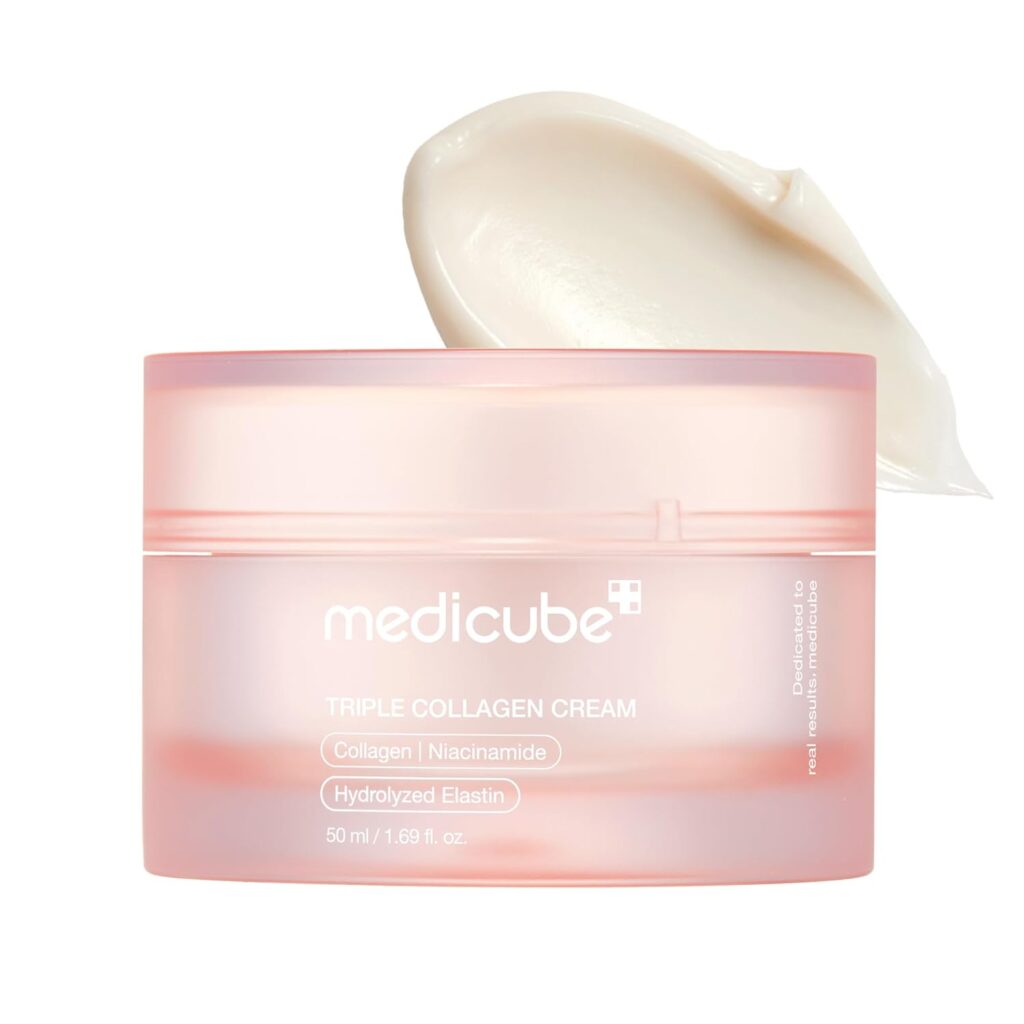
As professional dermatological procedures become mainstream, K-Beauty has pivoted to “post-procedure” care. Brands like Medicube and Aestura are leading the “Home Derma” movement, creating topical formulations that mimic the results of in-office lasers and microneedling.
| Ingredient / Trend | Function | Why It’s Viral in 2026 |
| PDRN (Salmon DNA) | Cellular Repair | Mimics in-office “Rejuran” skin booster shots. |
| NAD+ Bio-Lifting | Longevity / Anti-aging | Targets “zombie cells” to slow biological aging. |
| Micro-Prism SPF | Protection + Glow | A sunscreen that doubles as a blurring primer. |
| Hanbang 2.0 | Traditional Herbalism | Fermented Ginseng paired with modern peptides. |
The “Clean Beauty” movement of the early 2020s has been replaced by “Verified Sustainability.” In 2026, it is no longer enough to be vegan; brands must prove their carbon footprint.
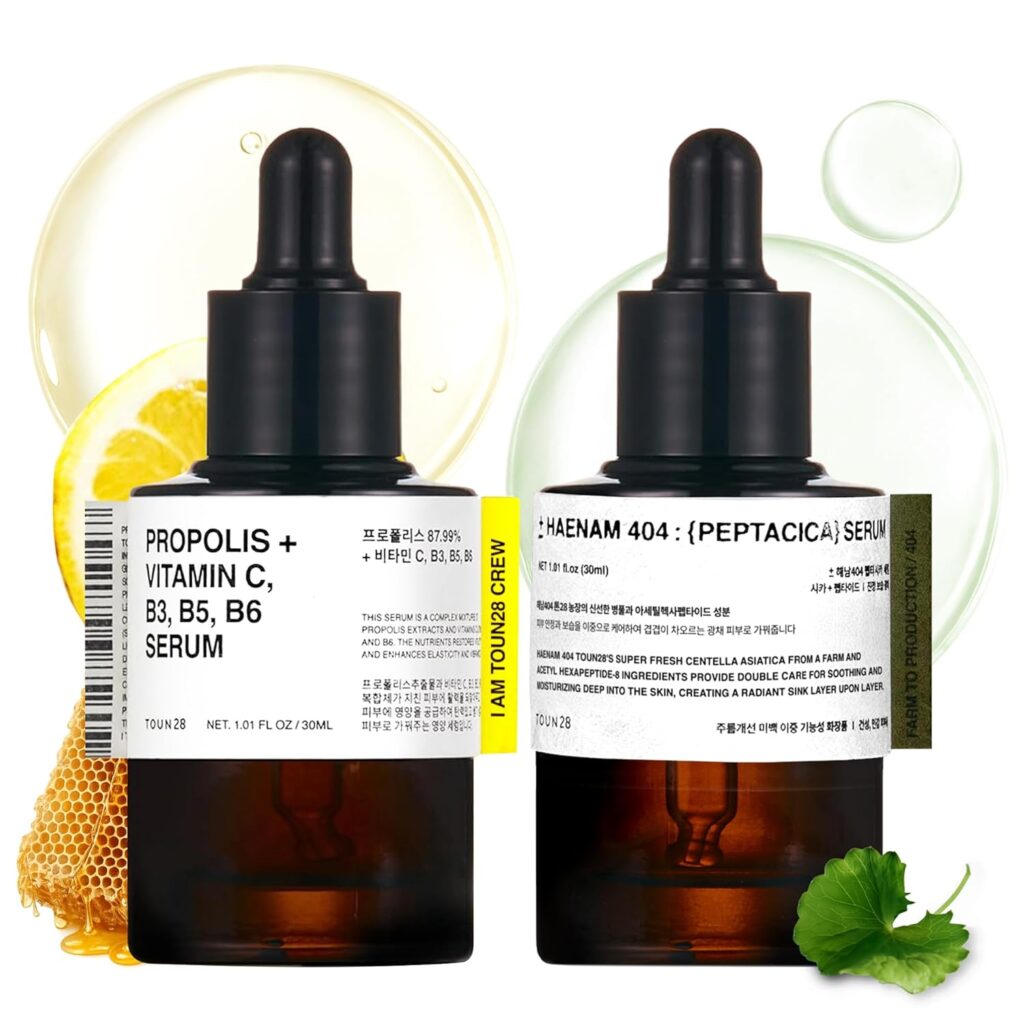
Korean laboratories are now leading in lab-grown botanicals. By cultivating plant cells in vats rather than on farms, brands like Hwarang can produce “Bellflower Extract” with 10x the potency of field-grown plants, without the environmental toll of traditional agriculture.
“We are moving away from the ‘natural is better’ myth,” says Melody Yuan, CEO of Skin Cupid. “In 2026, K-Beauty is proving that lab-created, biotech ingredients are actually more ethical and more effective.”
The 2026 iteration of Korean beauty is less about a “look” and more about a “long-term investment.” Whether it’s through AI-matched routine builders or DNA-repairing serums, the message from Seoul is clear: the future of beauty isn’t on the surface—it’s in the science.