favorite.click
We hope you love our content!
favorite.click
We hope you love our content!
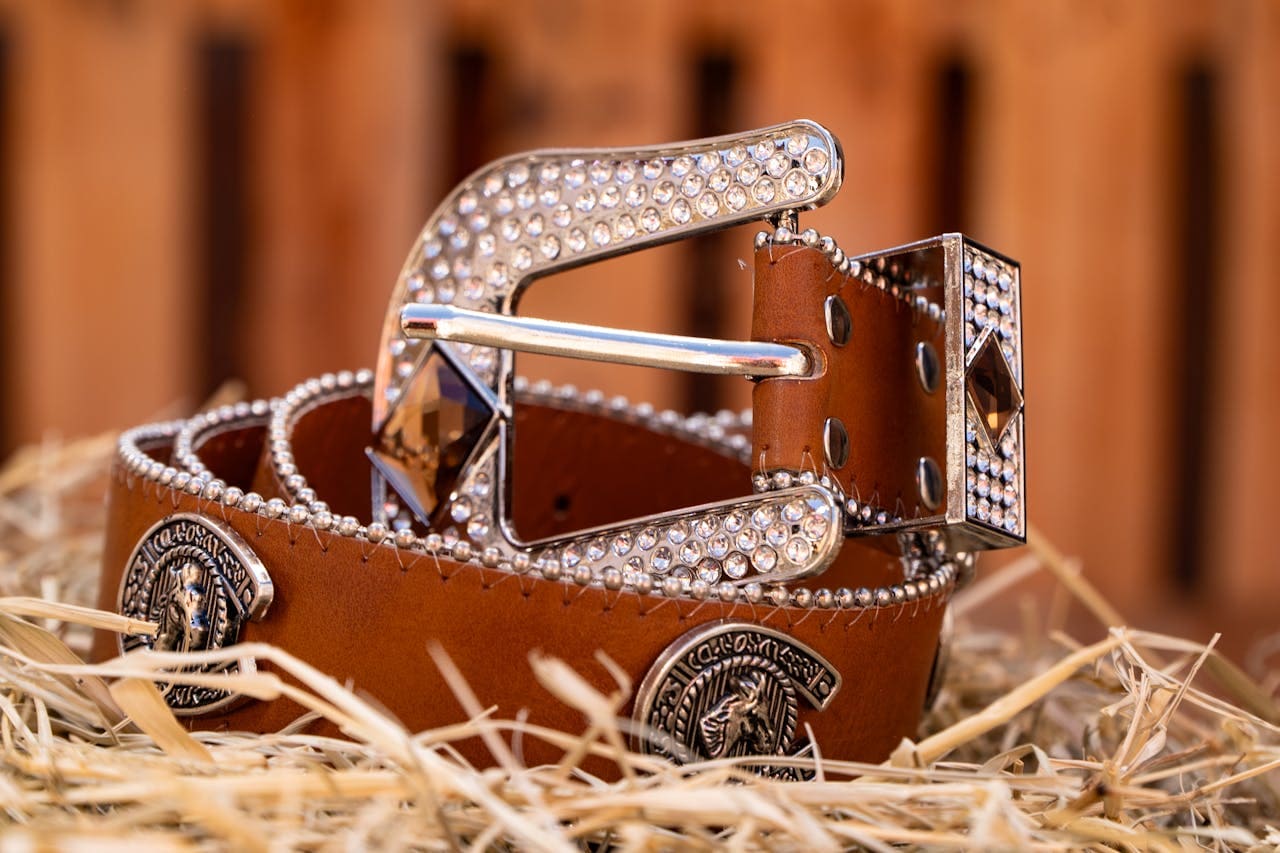
INDIO, Calif. — As the sun dipped behind the San Jacinto Mountains, casting a bruised purple glow over the Empire Polo Club, the silhouette of the season became clear. It wasn’t just the towering Ferris wheel or the palm trees; it was the unmistakable tilt of a thousand felt cowboy hats.
In years past, the “festival uniform” was a predictable, if somewhat weary, kaleidoscope of flower crowns and neon spandex. But this season, the aesthetic pendulum has swung toward a sophisticated duality. The dust-choked runways of the modern music festival have split into two dominant camps: the rugged, structured lines of Western Chic and the ethereal, reimagined fluidity of New Boho.
The ascent of “Coastal Cowboy” isn’t merely a trend; it’s a takeover. Driven by a cultural obsession with Americana and the high-fashion reclamation of the rodeo, festival-goers are trading glitter for grit.
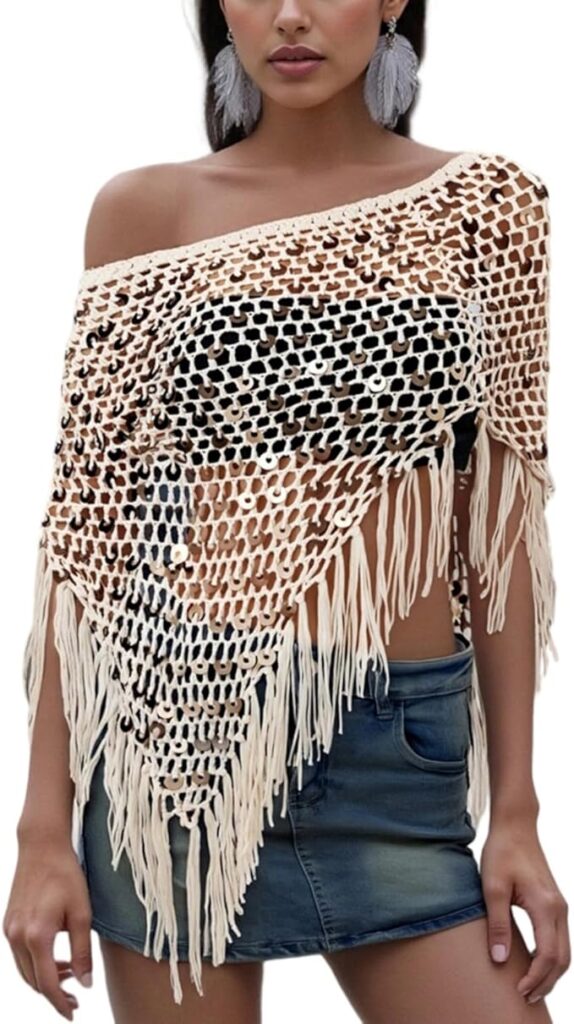
While some are heading to the ranch, others are retreating into a dreamscape. But make no mistake: this isn’t your older sister’s Coachella. The “Boho 2.0” movement has shed the “tacky” labels of its predecessor, opting instead for a look that feels more artisanal and less costume-like.
“We are seeing a return to the ’70s folk singer aesthetic—think Joni Mitchell at Newport, not just a girl in a lace romper,” notes fashion historian Marcus Ward.
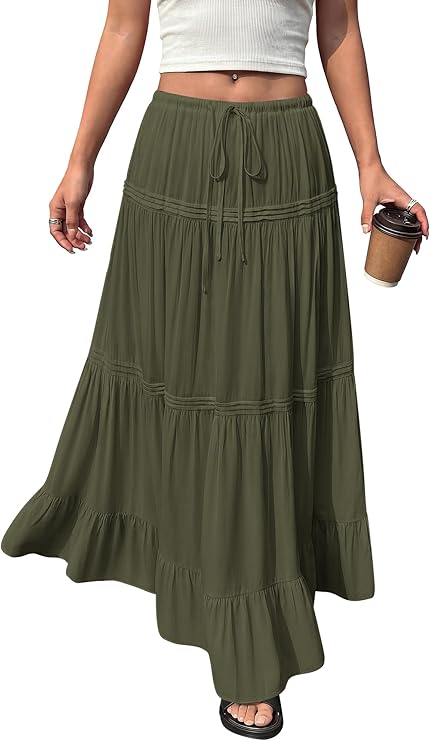
Perhaps the most significant change in festival fashion isn’t what people are wearing, but how they’re acquiring it. The “Main Stage” demographic is increasingly turning to resale platforms like Depop and RealReal to source authentic vintage pieces.
In a world where “festival fashion” was once synonymous with single-use polyester, the 2026 circuit feels different. Whether it’s a 1940s workwear jacket or a hand-knitted shawl, the goal is now authenticity.
As the music thumps into the desert night, the message is clear: the festival is no longer just a place to see a show. It is a place to perform a version of oneself that is at once rugged and romantic—a sartorial frontier where the wild west meets the whimsical.
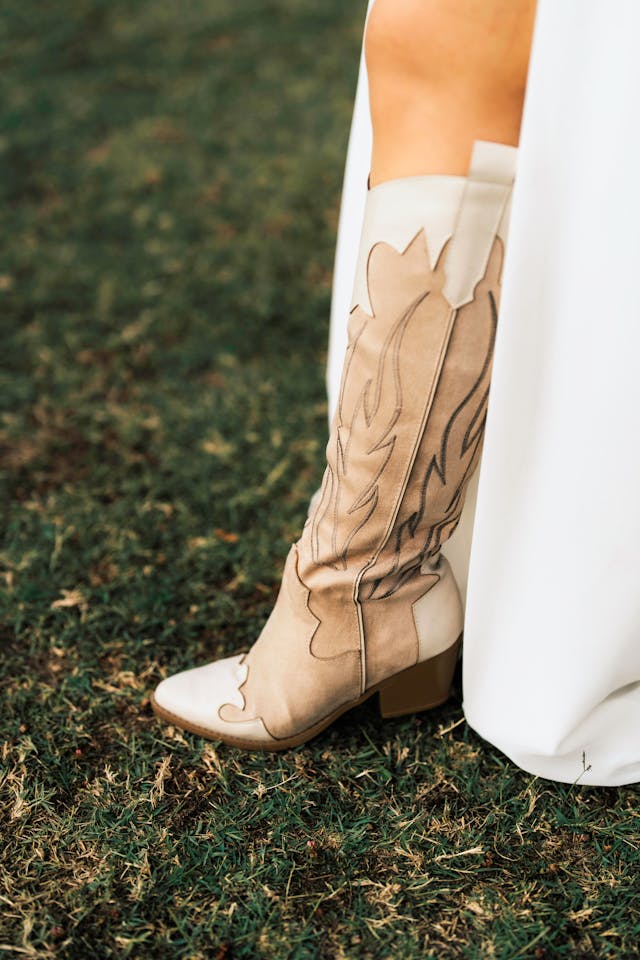
If the cowboy hat is the crown of the festival season, the boot is its bedrock. This year, the shift toward Western Chic has fundamentally re-engineered the footwear landscape, moving away from the “costume” boots of previous summers toward pieces defined by architectural integrity and historical reverence.
The festival floor—a punishing terrain of parched grass and shifting sand—has become the ultimate testing ground for the reborn Western boot. No longer content with flimsy fast-fashion imitations, attendees are investing in footwear that treats the desert floor like a catwalk.
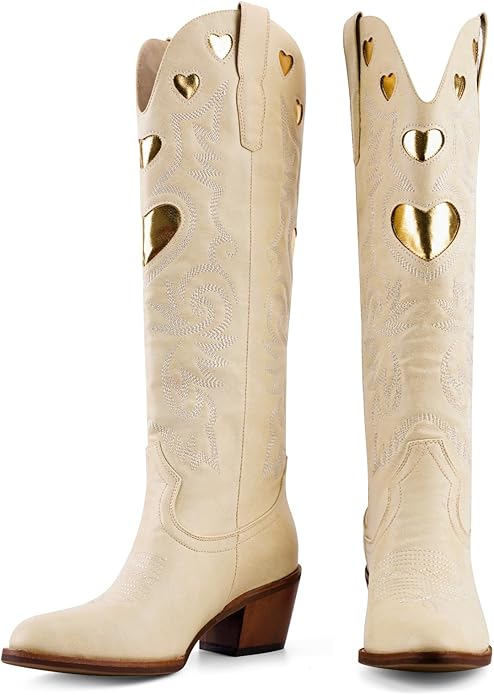
The current “it-boot” is less about the rhinestone-encrusted kitsch of the early 2000s and more about the raw, sculptural elements of the American West. Designers have focused on three distinct silhouettes that dominated the horizon this season:
The most coveted boots of the season aren’t necessarily new. There is a burgeoning “patina-as-status” movement, where a scuffed pair of 1970s Frye or Lucchese boots carries more social currency than a box-fresh designer pair.
“There’s a specific language in a vintage boot,” says vintage archivist Sarah Thorne. “It tells people you didn’t just buy a ‘look’ online last week; you’ve been collecting this vibe for years. It’s about the soul of the leather.”
For those buying new, the trend is toward “hybridization.” We are seeing the marriage of the Western silhouette with unexpected materials: metallic silver leathers that catch the stage lights, or intricate contrast stitching in neon hues that bridge the gap between the ranch and the rave.
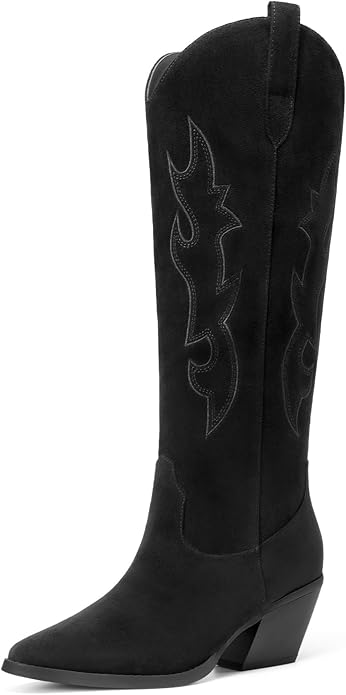
The definitive look of 2026 is the “Heavy Boot, Light Dress.” By pairing a substantial, mid-calf Western boot—weighing perhaps three pounds of solid leather—with a gossamer-thin, New Boho silk slip, fashionistas are creating a visual tension. It is a look that says the wearer is fragile enough to dance, but sturdy enough to survive the trek back to the campsite.
In the dust of the desert, the message is loud and clear: if you want to keep up with the music, you’d better have the soul—and the sole—to match.
If the boots provide the foundation, the jewelry provides the soul. This season, the “Western Chic” movement has moved beyond simple turquoise studs, evolving into a sophisticated display of heavy metal and historical narrative. The modern festival-goer isn’t just accessorizing; she is layering on a suit of silver armor that feels both ancient and avant-garde.
The aesthetic, often dubbed “Heavy Sterling,” favors the weight of authentic craftsmanship over the daintiness of traditional gold layering. On the dusty plains of the festival grounds, the shimmer of oxidized silver has become the definitive light-catcher.
The shift in jewelry is defined by a move toward the substantial. “Dainty” is out; “Dominant” is in. The current landscape is defined by three pillars of Western ornamentation:
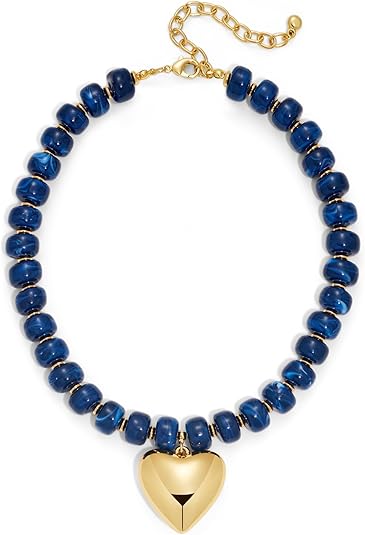
While turquoise remains the “Old Faithful” of the desert, the 2026 palette has expanded into more moody, geological territory.
“We’re seeing a massive pivot toward ‘Earth-core’ stones,” says jewelry designer Maya Yazzie. “Think Onyx, Jasper, and Labradorite. It’s less about the bright blue of the sky and more about the dark, rich tones of the canyon walls at dusk.”
These stones are often set in “sawtooth” bezels, giving the jewelry a jagged, slightly dangerous edge that aligns with the ruggedness of the Western boot.
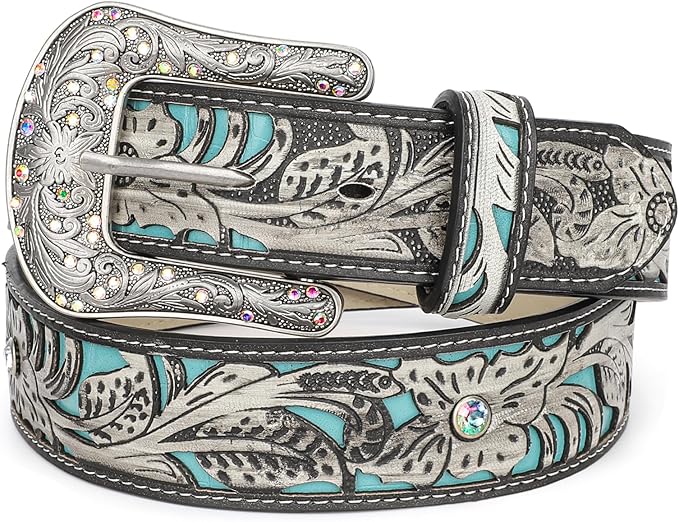
Perhaps the most significant breakout accessory is the reimagined bolo tie. Long the province of aging cattlemen, the bolo has been reclaimed by women as the ultimate “it-girl” accessory.
This jewelry doesn’t just sit on the skin; it commands it. It is the final flourish for the festival-goer who knows that in a place of fleeting sets and temporary stages, there is a profound power in wearing something that feels like it was forged in fire and built to last.
Is there a specific piece of jewelry or a particular stone you’d like to dive deeper into for the article?