favorite.click
We hope you love our content!
favorite.click
We hope you love our content!
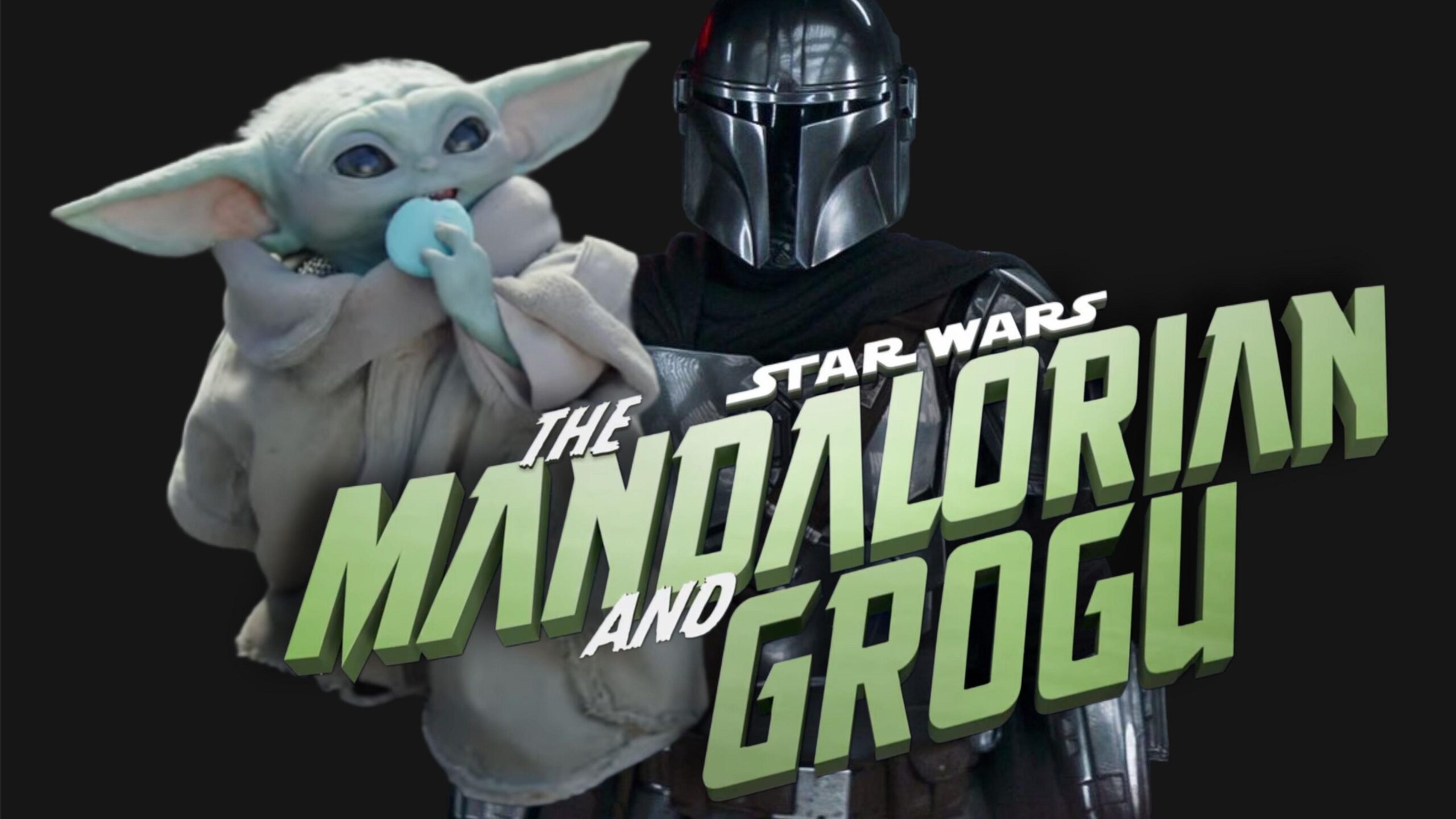
LOS ANGELES — In December 2019, the cultural behemoth known as Star Wars quietly went into exile. The Rise of Skywalker, the final chapter of a nine-film generational space opera, exited theaters with a billion-dollar box office but a profound sense of creative exhaustion. Critically maligned and narratively tangled, the franchise retreated to the safer, cozier confines of television, anchoring the launch of the Disney+ streaming service.
Next Friday, after a seven-year theatrical drought, Lucasfilm will attempt to reclaim its birthright.
The vehicle for this return is not a grand new trilogy or a resurrected Skywalker, but The Mandalorian & Grogu, a feature-length extension of the streaming series that revitalized the brand. Directed by Jon Favreau, the film carries a massive burden. It is not merely tasked with being an entertaining two hours in a dark room; it is an $85-million-plus opening weekend projection meant to prove that Star Wars still belongs on the big screen, rather than on the smartphones of commuters.
“We are in a completely different era of Star Wars now,” Dave Filoni, the chief creative officer of Lucasfilm and the film’s co-writer, said in a recent interview. “The last time we did this, we carried the weight of a whole trilogy. This time, it’s a big celebration of these two characters.”
Yet, as early reactions trickle in ahead of the May 22 release, the question hanging over Hollywood is whether a property forged in the fires of “peak TV” can successfully translate its episodic charms into a singular cinematic event.
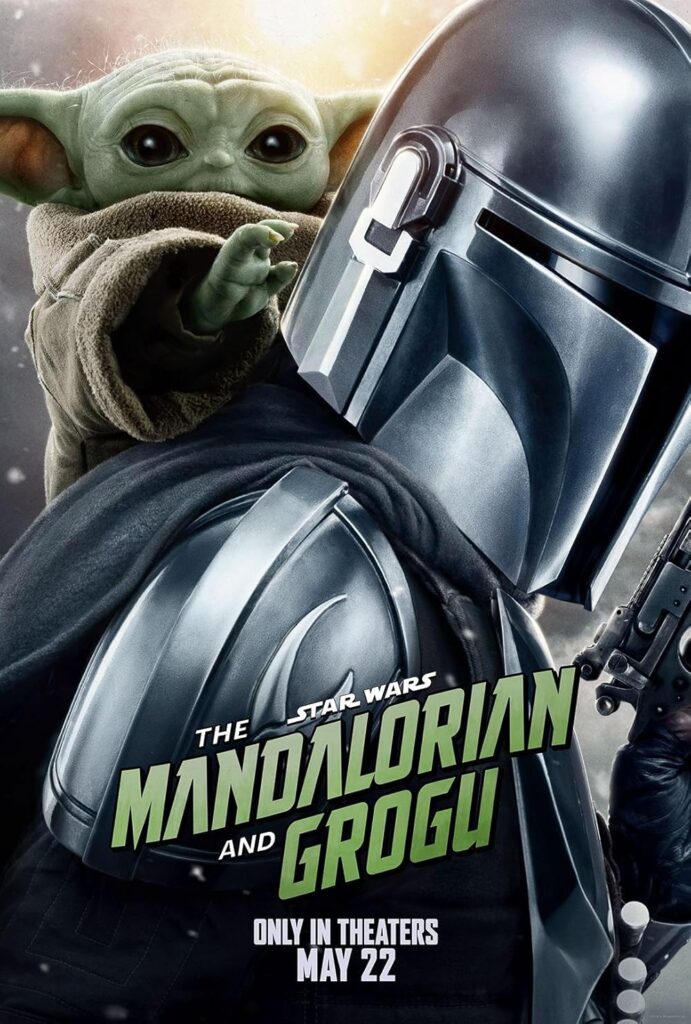
The narrative of The Mandalorian & Grogu positions itself as a fresh start, designed to circumvent the dense homework that has plagued recent superhero and sci-fi franchises. Set during the fragile infancy of the New Republic, the plot finds the silver-helmeted bounty hunter Din Djarin (voiced, with his customary gravelly charisma, by Pedro Pascal) and his tiny, Force-sensitive companion, Grogu—affectionately known to the internet as “Baby Yoda”—pressed into service by the fledgling government.
The film introduces Sigourney Weaver as Colonel Ward, a steel-spined New Republic officer operating out of the remote Adelphi Base. Her mission for the duo is simple, if perilous: hunt down the lingering, decentralized remnants of the Galactic Empire before they can solidify into something worse.
PROJECTED DOMESTIC OPENING WEEKENDS (2026)
1. The Super Mario Galaxy Movie ....... $132 Million
2. Michael (Michael Jackson Biopic) ... $97 Million
3. The Mandalorian & Grogu ............ $85–$95 Million (Est.)
To justify the ticket price, Mr. Favreau has noticeably expanded the visual canvas. While the television series relied heavily on “The Volume”—a massive, wraparound LED screen system that allowed for quick, digital environments—the film features a striking return to practical effects. Production insiders speak of sprawling physical sets, extensive stop-motion work from the legendary Phil Tippett studio, and a reliance on tangible animatronic puppets over digital green-screen artifice.
The result is an aesthetic that leans heavily into the franchise’s space-western origins. Early footage showcases snow-bound battles against lumbering AT-AT walkers and gritty cantina brawls that evoke Sergio Leone more than George Lucas.
But scaling up a television show has its risks. The first wave of critical reactions, published this week following the Hollywood premiere, reveals a franchise caught between two masters: the demands of theatrical grandeur and the comforting formulas of streaming television.
To its defenders, the movie is a triumphant return to form. “It plays like an extended episode with double the budget and moves from one incredible action set piece to the next,” wrote Chris Killian of ComicBook.com, adding that “IMAX is a must.”
Others, however, argue that the transition exposes the thinness of the premise when stretched across a theater screen. Critics have noted that without the episodic pacing of a TV season, the film can feel like a series of disparate “side quests” stitched together. Writing for The Playlist, Griffin Schiller called it an “inoffensive, technically impressive spectacle” that ultimately “plays like watching the cutscenes of a Star Wars video game.”
“The good news is it feels like a capital-M movie, not just a TV show stretched to fix the IMAX screen,” noted Jacob Kleinman of Polygon. “But the bad news is that it doesn’t always tap into that special, mythical Star Wars feeling.”
The stakes extend far beyond the critical consensus. For Disney, The Mandalorian & Grogu is a test case for a broader, more fragmented theatrical strategy. Lucasfilm has several other features in various stages of development—including a film centered on Daisy Ridley’s Rey and a prequel about the dawn of the Jedi—but those projects hinge on audiences showing up next weekend.
If the film hits its projected $85 million to $95 million domestic opening, it will be deemed a success in a fractured theatrical landscape still recovering from the dual strikes of 2023 and shifting post-pandemic moviegoing habits.
For a generation of younger fans born after 2019, this will be their first opportunity to experience a Star Wars opening night in a crowded theater—to hear the thunder of John Williams’s fanfares through theater speakers and watch a green toddler wield the Force on a screen stories high.
Whether that nostalgia and a beloved puppet are enough to sustain a cinematic empire remains to be seen. But for Lucasfilm, this is the gamble. To find its future, it has to trust the characters that saved its recent past.