favorite.click
We hope you love our content!
favorite.click
We hope you love our content!
The Human Rebound: Art and Design in the Age of the Algorithmic Satiation
NEW YORK — For the better part of the 2020s, the design world was obsessed with a specific kind of digital perfection: the frictionless gradient, the AI-generated hyper-realism, and the “AirSpace” minimalism that made every coffee shop from Brooklyn to Berlin look identical.
But in the spring of 2026, the pendulum has swung back with a violent, tactile thud. We are entering the era of “Imperfect by Design.” From the galleries of Chelsea to the high-tech ateliers of Seoul, the most coveted objects and artworks are no longer those that look “perfect”—they are those that bear the unmistakable, messy thumbprint of a human being.
In the blue-chip galleries, the trend is “Chaoticism.” Collectors who spent 2024 chasing pristine digital twins are now bidding on “Naïve Art”—paintings that prioritize raw emotion over anatomical accuracy.
Design is also moving from the aesthetic to the ecological. As climate volatility becomes a daily reality in 2026, architecture has pivoted toward Regenerative Design.
| Trend | The 2024 Aesthetic | The 2026 Shift | The “Why” |
| Typography | Clean, Uniform Sans-Serif | “Bubbly” & Distorted Fonts | Reclaiming human playfulness. |
| Interiors | Cold, Clinical Whites | Earth-Rooted “Soft Luxury” | Need for psychological calm. |
| Digital UX | Linear, Predictive | “Exploration” Layouts | Combatting “doomscroll” fatigue. |
| Materials | Virgin Plastics / Steel | Mycelium & Recycled PET | Circular economy as default. |
The conversation around Artificial Intelligence has matured. In 2026, AI is no longer viewed as a threat to the artist’s soul, but as a sophisticated “intern.”
“We’ve reached ‘Algorithmic Satiation,'” says Marcus Thorne, a landscape architect. “We know what AI can do. It can optimize a floor plan for sunlight or simulate 1,000 color palettes in a second. But it cannot decide which palette makes you feel nostalgic. That is the designer’s new job: to be the arbiter of ‘vibe’ and emotional impact.”
“Great design in 2026 is about ‘vibe coding’—designing for how a space makes you feel, not just how it functions.”
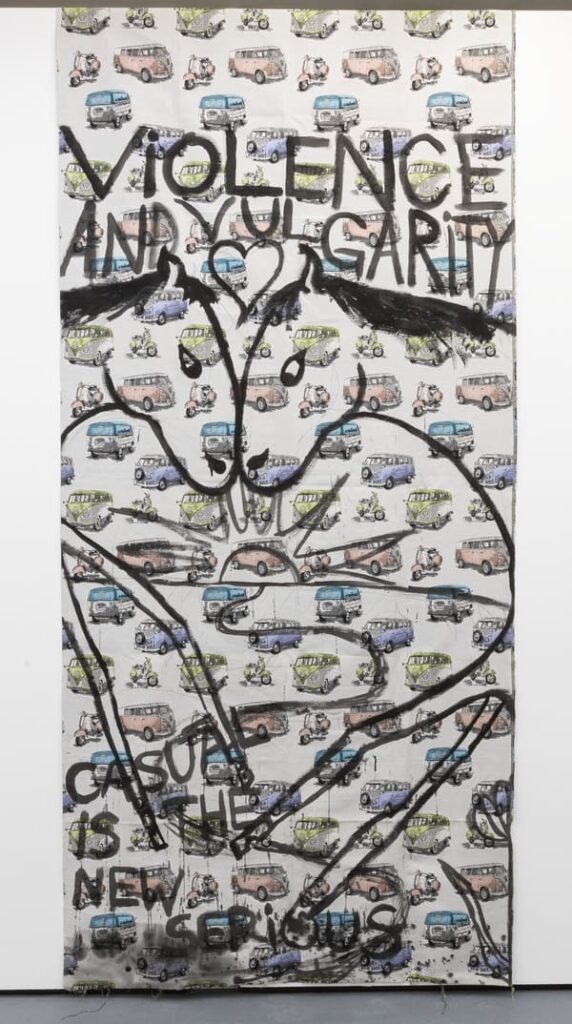
As we look toward the summer, the most influential exhibitions—like the “Manosphere” at the Stedelijk or “Guggenheim Pop”—share a common thread: they are immersive, multi-sensory, and deeply skeptical of the “frictionless” future we were once promised.
The most modern thing you can own in 2026 isn’t a sleek, smart-gadget; it’s a heavy, hand-thrown ceramic bowl or a chair made of compressed seaweed. In an increasingly virtual world, the ultimate luxury is the physical.
The 2026 spring art season is defined by a series of monumental retrospectives and daring contemporary thematic shifts. In New York, the arrival of Raphael marks a historic first, while in Europe, major institutions are grappling with the complexities of modern identity.
Here is your guide to the essential exhibitions of April 2026.
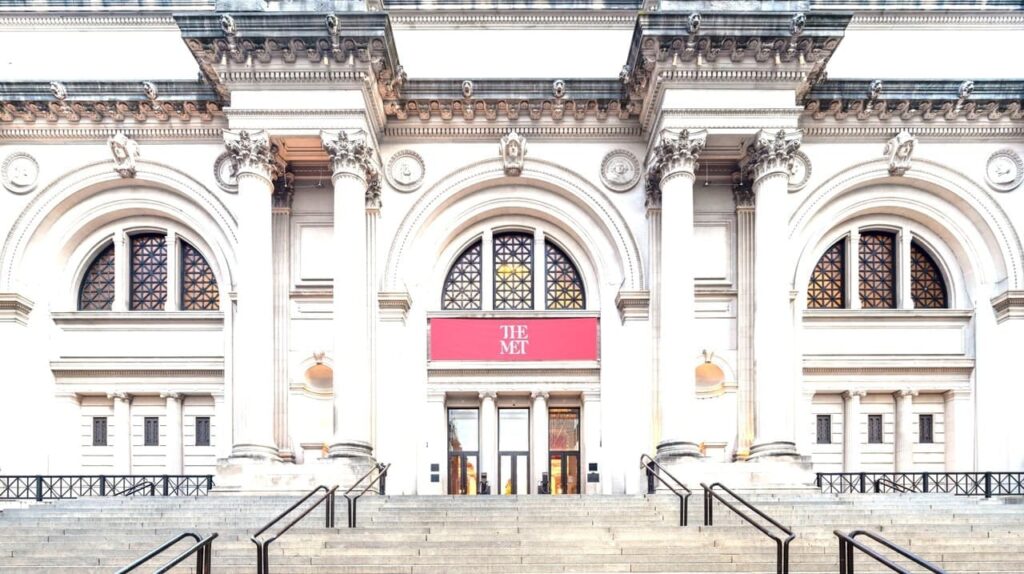
The most significant cultural event this spring is The Metropolitan Museum of Art hosting the largest-ever U.S. exhibition of the Italian master Raphael.
Raphael: Sublime Poetry
As you move through the city’s iconic architectural landmarks, the focus shifts toward the evolution of modern movements and the technology shaping the human experience.
Carol Bove at the Guggenheim
New Humans: Memories of the Future at the New Museum
In Europe, the dialogue turns toward the performance of gender and power in a digital, post-truth landscape.
Beyond the Manosphere at the Stedelijk Museum
Frida and Diego: The Last Dream at MoMA
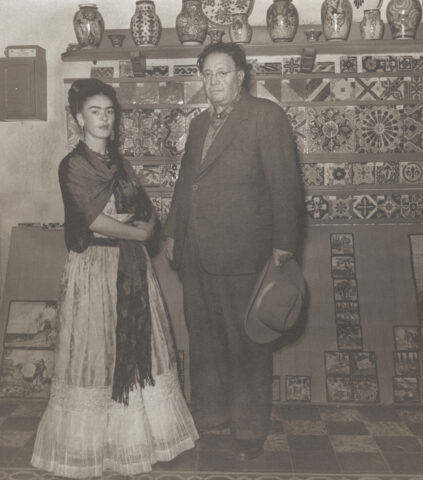
Dates: On view through September 12, 2026.
Operatic Inspiration: This installation is designed by the set designer of the Metropolitan Opera’s production of El Último Sueño de Frida y Diego, creating a theatrical, immersive environment.
The Collection: Showcases rare photographic portraits alongside Kahlo’s paintings and Rivera’s large-scale drawings.