favorite.click
We hope you love our content!
favorite.click
We hope you love our content!
The danger does not arrive with a dramatic cough or a sudden outbreak in a crowded subway car. Instead, it begins invisibly, often in the quietest corners of a rural home—a disused tool shed, a seasonal cabin being opened for the summer, or a cluttered attic corner.
When a homeowner picks up a broom to sweep away the accumulated debris of winter, they frequently kick up a fine, barely visible mist of dust. If that dust is contaminated with the dried urine or droppings of a seemingly harmless deer mouse, it can carry a microscopic hitchhiker: Sin Nombre virus, the American variant of hantavirus.
Long considered a rare, localized anomaly of the desert Southwest, Hantavirus Pulmonary Syndrome (HPS) is receiving renewed attention from epidemiologists. A series of unusually wet winters followed by intense summer heat waves across the Mountain West has led to a boom in wild rodent populations.
Public health departments in New Mexico, Arizona, and Colorado have issued a coordinated spring advisory following a subtle but concerning uptick in confirmed cases over the last nine months. The disease remains exceedingly rare, but its clinical reality is terrifying: a respiratory failure so swift that it kills more than one-third of the people it infects.
“It is a disease of circumstance,” said Dr. Paul Ettestad, the public health veterinarian for the New Mexico Department of Health. “You have an everyday human activity intersecting with a high-density rodent population in an enclosed space. The virus is just waiting in the dust.”
Hantaviruses are a family of viruses carried primarily by rodents. While European and Asian variants of the virus typically target the kidneys, causing Hemorrhagic Fever with Renal Syndrome (HFRS), the North American strains attack the lungs.
The virus is endemic to the deer mouse (Peromyscus maniculatus), a small, big-eared rodent with a distinctive white underbelly that is common across North America. The mice themselves do not get sick from the virus; they merely shed it into their environment.
HANTAVIRUS TRANSMISSION CHAIN
[Deer Mouse Population]
       │ (Sheds virus via saliva, urine, & feces)
       ▼
[Disturbed Dust/Debris]
       │ (Aerosolization via sweeping or vacuuming)
       ▼
[Human Inhalation]
       │ (Virus enters lower respiratory tract)
       ▼
[Capillary Leakage in Lungs]
The primary mechanism of human infection is aerosolization. When dried rodent droppings are disturbed, the viral particles become airborne and are easily inhaled into the lower respiratory tract.
The current concern among state biologists stems from a ecological phenomenon known as a “trophic cascade.” The heavy rainfall of recent seasons led to an abundance of piñon nuts, seeds, and vegetation. This surplus of food triggered a reproductive surge among wild mice. As those populations swell, individual animals are increasingly driven to seek shelter inside human structures, raising the probability of human-rodent encounters.
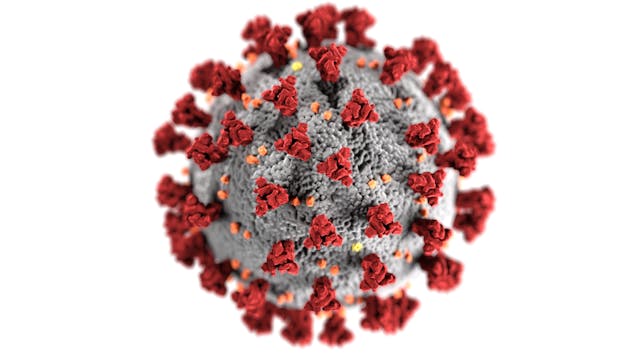
Part of what makes Hantavirus Pulmonary Syndrome so perilous is its clinical mimicry. The incubation period can last anywhere from one to eight weeks, making it difficult for patients to connect their illness to a specific cleaning chore or camping trip.
The early symptoms are entirely unremarkable: fever, deep muscle aches in the thighs and back, fatigue, and headaches. It looks and feels precisely like a standard bout of seasonal influenza.
CLINICAL PROGRESSION OF HANTAVIRUS PULMONARY SYNDROME
Phase 1: The Prodrome (Days 1–5)
• Severe muscle aches (myalgia)
• Fever and chills
• Abdominal pain and nausea

Phase 2: The Cardiopulmonary Phase (Days 6–10)
• Sudden, progressive shortness of breath
• Rapidly developing coughing
• Acute respiratory distress and fluid-filled lungs
But within days, the disease undergoes a dramatic, catastrophic shift. As the virus replicates within the endothelial cells that line the blood vessels in the lungs, it triggers an intense, localized immune response. The capillaries begin to leak fluid directly into the air sacs of the lungs.
“Patients go from feeling a bit under the weather to literally drowning in their own bodily fluids within a matter of hours,” said Dr. Jeanne Nichols, an infectious disease specialist at the University of New Mexico Hospital. “Once the respiratory distress phase begins, it becomes a race against time.”
Because hantavirus is a viral pathogen rather than a bacterial one, antibiotics are useless. Furthermore, there is no specific antiviral medication, vaccine, or targeted cure approved for human use.
Clinical management relies entirely on aggressive supportive care. If a patient is diagnosed early enough, before the respiratory system collapses entirely, they are immediately placed on mechanical ventilation. In the most severe cases, hospitals utilize Extracorporeal Membrane Oxygenation (ECMO)—a highly sophisticated machine that temporarily replaces the function of the heart and lungs, pumping oxygen directly into the blood outside the body to give the patient’s lungs a chance to heal.
“The critical factor is awareness,” Dr. Nichols added. “If a patient comes into the emergency room with severe flu symptoms and mentions they spent the previous weekend cleaning out an old barn, that completely changes the diagnostic pathway. It saves precious hours.”
Because the medical options are so reactive, public health agencies are focusing their resources heavily on prevention and education, attempting to dismantle the traditional, instinctual methods of household cleaning.
The central piece of advice from health officials is a counterintuitive directive: put away the broom and the vacuum cleaner. Using dry cleaning methods simply lofts the viral particles into the breathing zone of the homeowner.
THE PUBLIC HEALTH "DON'T SWEEP" PROTOCOL
1. Ventilation .... Open doors and windows for 30 minutes before entering.
2. Saturation .... Bleach solution (1 part bleach to 10 parts water) on droppings.
3. Collection .... Wipe down with paper towels while wearing rubber gloves.
4. Disposal ...... Double-bag all waste and wash hands thoroughly.
Instead, officials advocate for a method of total saturation. Anyone tackling a suspected rodent infestation is urged to spray the area thoroughly with a disinfectant or a mixture of household bleach and water, allowing it to soak for several minutes. This heavy moisture deactivates the virus and glues the dust particles to the surface, allowing them to be wiped up safely with a damp paper towel or mop.
As urban sprawl continues to push housing developments further into the natural habitats of the American West, the boundaries between the human living room and the wild ecosystem are blurring. The deer mouse is a highly adaptable neighbor, and public health officials stress that coexistence requires a permanent shift in habits.
The virus remains a rare adversary, but it is an unforgiving one. In the vast, open spaces of the high desert, safety is increasingly found not in a medical breakthrough, but in a bottle of bleach and a wet rag.