favorite.click
We hope you love our content!
favorite.click
We hope you love our content!
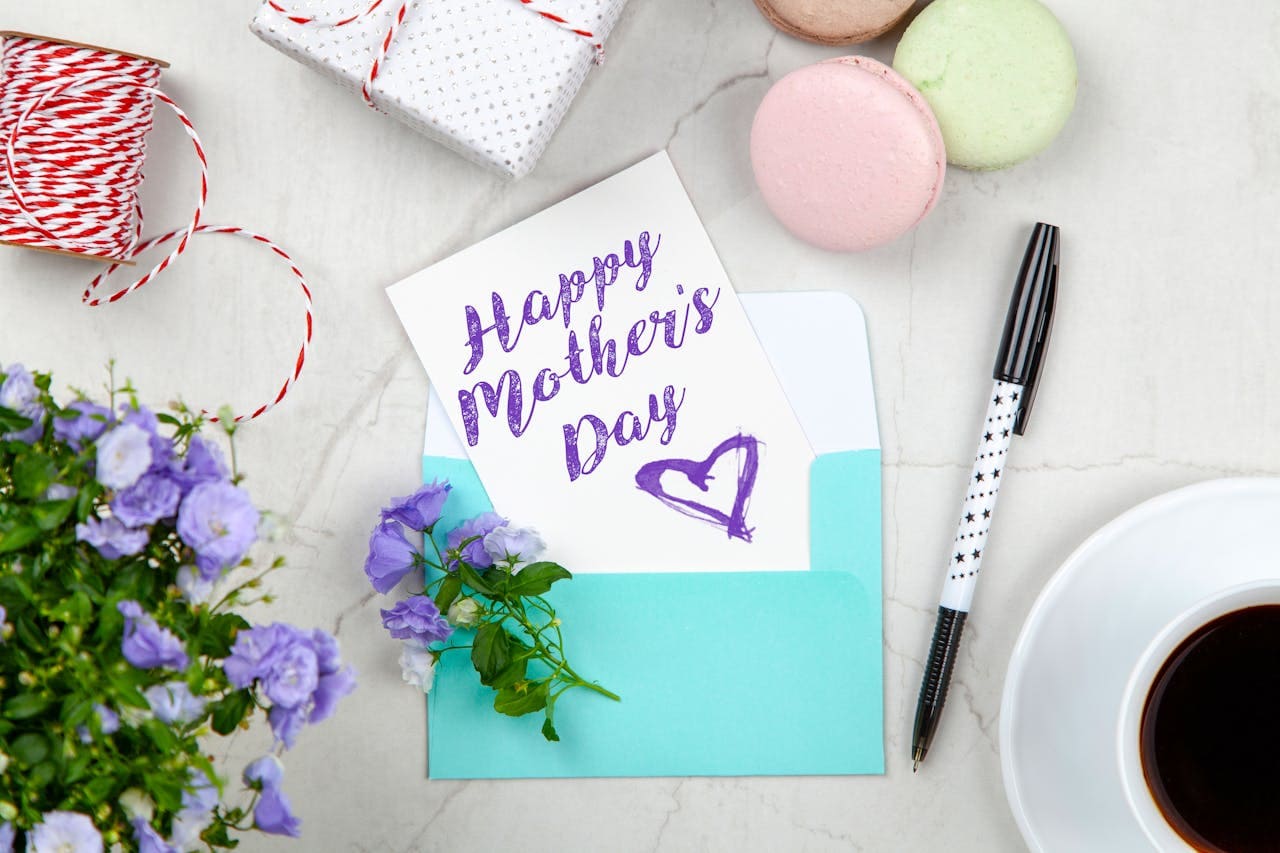
On Sunday morning, a quiet, high-stakes choreography unfolded across the living rooms and restaurant dining rooms of America. Millions of families presented slightly burnt toast on silver trays, offered stiff bouquets of store-bought peonies, and attempted to navigate the most emotionally fraught minefield on the secular calendar: Mother’s Day.
By Sunday afternoon, the evidence of the holiday’s staggering economic footprint was visible on every street corner. According to the National Retail Federation, spending for the holiday hit an estimated $36.8 billion this year, driven by a surge in jewelry sales, experiential gifts, and the increasingly extortionate cost of a mid-morning mimosa.
Yet beneath the avalanche of greeting-card platitudes and custom-engraved lockets lies a deeper, more complicated reality. In 2026, Mother’s Day has evolved into a mirror reflecting the distinct anxieties of modern family life—a day where the celebration of maternal sacrifice often clashes with the logistics of multi-generational households, the pressures of social media perfection, and the lingering fatigue of women who feel they are permanently on the clock.
“It’s the one day of the year where you are commanded to relax,” said Sarah Henderson, a mother of three and a corporate attorney from Montclair, N.J. “But the irony is that planning the ‘perfect’ Mother’s Day often falls squarely on the person who is supposed to be celebrating. You find yourself managing the brunch reservations for your own mother, your mother-in-law, and yourself, all while ensuring your own children don’t have a meltdown in a white linen restaurant.”
The commercialized spectacle of the modern holiday would likely horrify its founders. The lineage of Mother’s Day does not begin with chocolate corporations, but with radical anti-war activism.
In 1870, the poet and abolitionist Julia Ward Howe issued her “Mother’s Day Proclamation,” an impassioned appeal for women to unite across national borders to bring about the amicable settlement of international questions and protest the carnage of the American Civil War and the Franco-Prussian War. To Howe, motherhood was not a passive domestic state, but a political force capable of demanding global peace.
THE EVOLUTION OF MOTHER’S DAY SPENDING (U.S.)
• 2016 ................................ $21.4 Billion
• 2021 ................................ $28.1 Billion
• 2026 ................................ $36.8 Billion (Est.)
When Anna Jarvis successfully campaigned to make Mother’s Day a recognized national holiday in 1914, her intent was deeply personal—a quiet day of remembrance for her own mother, a Civil War community health organizer.
But Jarvis spent the latter half of her life bitterly regretting her creation. As early as the 1920s, she was filing lawsuits against florists and confectioners, arrested for disturbing the peace at a war mothers’ convention, and railing against the “charlatans” who turned her white carnation into a commodity. She died broke and disillusioned in an asylum in 1948, having tried in vain to rescind the holiday altogether.
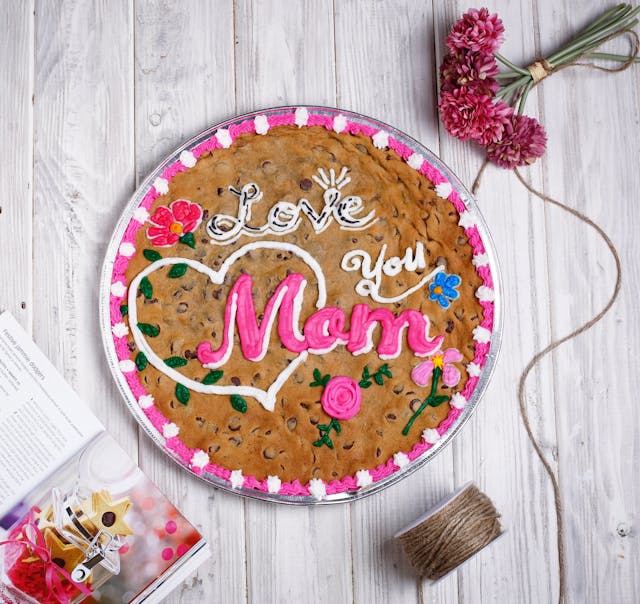
A century later, Jarvis’s battle has been decisively lost to the market. Today, the holiday is less about quiet reflection and more about a frantic scramble for seasonal hospitality.
Restaurant owners describe Mother’s Day as the single busiest, most unforgiving shift of the fiscal year. In Manhattan, reservations for high-end brunch spots were locked in as early as February, with premium venues charging upwards of $120 per person for pre-fixe menus that promised to make mothers feel appreciated via the medium of artisanal eggs Benedict.
TOP 5 CONSUMER EXPENDITURES FOR MOTHER'S DAY (2026)
1. Jewelry & Keepsakes ................ 32%
2. Special Outings (Brunch/Dinner) .... 28%
3. Flowers & Plants ................... 18%
4. Gift Cards & Spa Services .......... 14%
5. Greeting Cards & Confections .......  8%
Yet the luxury of a restaurant outing contrasts sharply with the underlying data regarding the state of American motherhood. Recent labor statistics reveal that women continue to shoulder the vast majority of the “mental load” in household management, a reality that a single day of breakfast-in-bed does little to alleviate.
“The holiday operates as a sort of annual societal absolution,” noted Dr. Jessica Calarco, a sociologist who studies gender and family dynamics. “We throw flowers and brunch at mothers once a year as a substitute for structural support—like paid family leave, affordable childcare, or equitable distributions of domestic labor. It’s much cheaper to buy a card than to fix the system.”
The holiday has also been fundamentally transformed by the architecture of the internet. On platforms like Instagram and TikTok, Mother’s Day functions as an arena for curated domestic performance.
Throughout Sunday, feeds were inundated with meticulously lit photographs of smiling, color-coordinated families, accompanied by lengthy, public professions of love that read more like press releases than personal sentiments. For many, the day has become an exercise in competitive gratitude, where the validation of one’s maternal success is weighed in likes and comments.
This hyper-visible perfection can make the day remarkably difficult for those outside the traditional celebratory narrative: women struggling with infertility, those mourning the loss of a parent, or individuals estranged from their families. In recognition of this emotional friction, an increasing number of online retailers now offer customers the option to “opt-out” of Mother’s Day marketing emails—a corporate acknowledgment that the holiday carries a heavy emotional tax.
As the sun set on Sunday evening and the last of the wrapping paper was cleared away, the country’s mothers prepared to return to the routine of the workweek. The flowers on the kitchen counter will wilt over the coming days, and the silver trays will be returned to the back of the cupboards.
The radical peace movement of Julia Ward Howe and the quiet sanctuary of Anna Jarvis remain elusive, buried beneath decades of commercial strategy. But for twenty-four hours, the nation paused to try its best, offering a collective, if complicated, thank you to the women who keep the world turning—even if the toast was a little burnt.