favorite.click
We hope you love our content!
favorite.click
We hope you love our content!

Armed Forces Day falls on the third Saturday of May every year, and it is the one day on the American calendar specifically set aside to honor the men and women currently serving in uniform — not veterans who have come home, not the fallen who gave everything, but the approximately 1.34 million active-duty service members on duty right now, stationed across six continents, doing the work while most of the country goes about its Saturday.
The morning mist had barely lifted from the symmetrical rows of white marble headstones at Arlington National Cemetery when Staff Sgt. Marcus Lin, 34, stopped to adjust his dress blues. For Sgt. Lin, a third-generation soldier who recently returned from a deployment in the Pacific, today is not about the grand policy debates that dominate the halls of Congress just across the Potomac River. It is about something much closer to the bone.
“People confuse this day with Veterans Day or Memorial Day,” Sgt. Lin said, nodding toward a group of young recruits gathering near the Tomb of the Unknown Soldier. “But today is for the guy standing next to you right now. It’s about the keeping of the promise.”
Today marks Armed Forces Day, a uniquely American observance created in 1949 by Secretary of Defense Louis Johnson to replace separate Army, Navy, and Air Force days. Conceived as a single day of national tribute following the unification of the military under the Department of Defense, it has historically served as a mirror for the nation’s shifting relationship with its uniform.
Yet, in 2026, the holiday arrives at a complex cultural and geopolitical juncture.
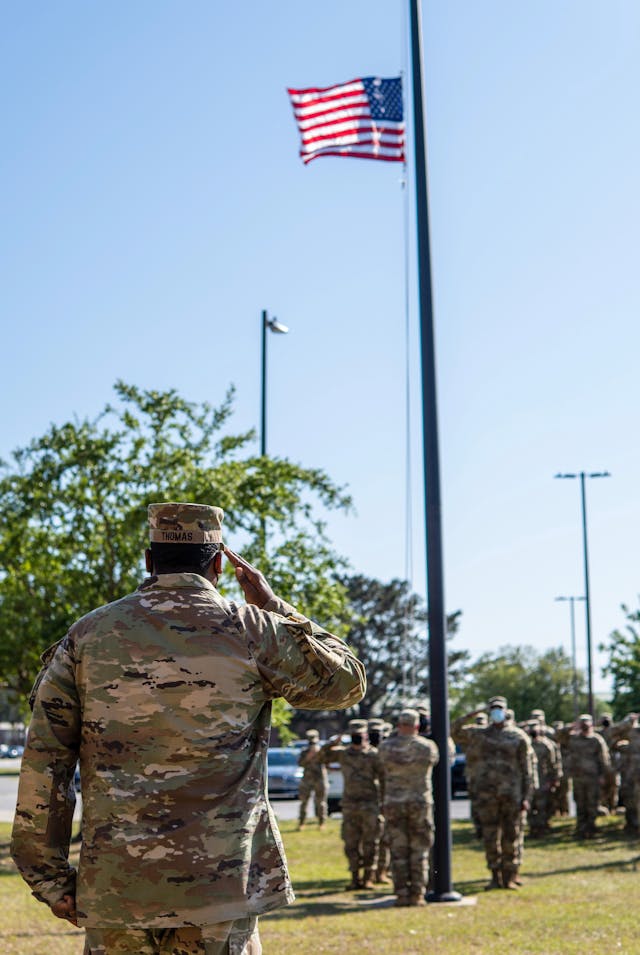
For much of the American public, the military has increasingly become an abstract concept—an all-volunteer force insulated from the daily realities of the civilian populace. Analysts point to a widening “civil-military divide,” where a shrinking percentage of the population has any direct tie to someone in uniform.
“Armed Forces Day was originally intended to bridge the gap between the citizen and the soldier,” said Dr. Evelyn Vance, a military historian at the Brookings Institution. “In the mid-20th century, almost every American family had a stake in the military. Today, the military is highly respected, but it is less understood.”
In cities across the country, celebrations this weekend are reflecting an effort to re-establish that connection. In San Diego, a massive flotilla of naval vessels opened its decks to public tours. In Dayton, Ohio, the Air Force showcased cutting-edge aviation technology, drawing thousands of families.
But beneath the displays of hardware and the flyovers, the day carries an underlying gravity. The Pentagon faces unprecedented headwinds, from persistent recruitment shortfalls to a rapidly evolving global security landscape defined by cyber warfare, autonomous systems, and shifting alliances.
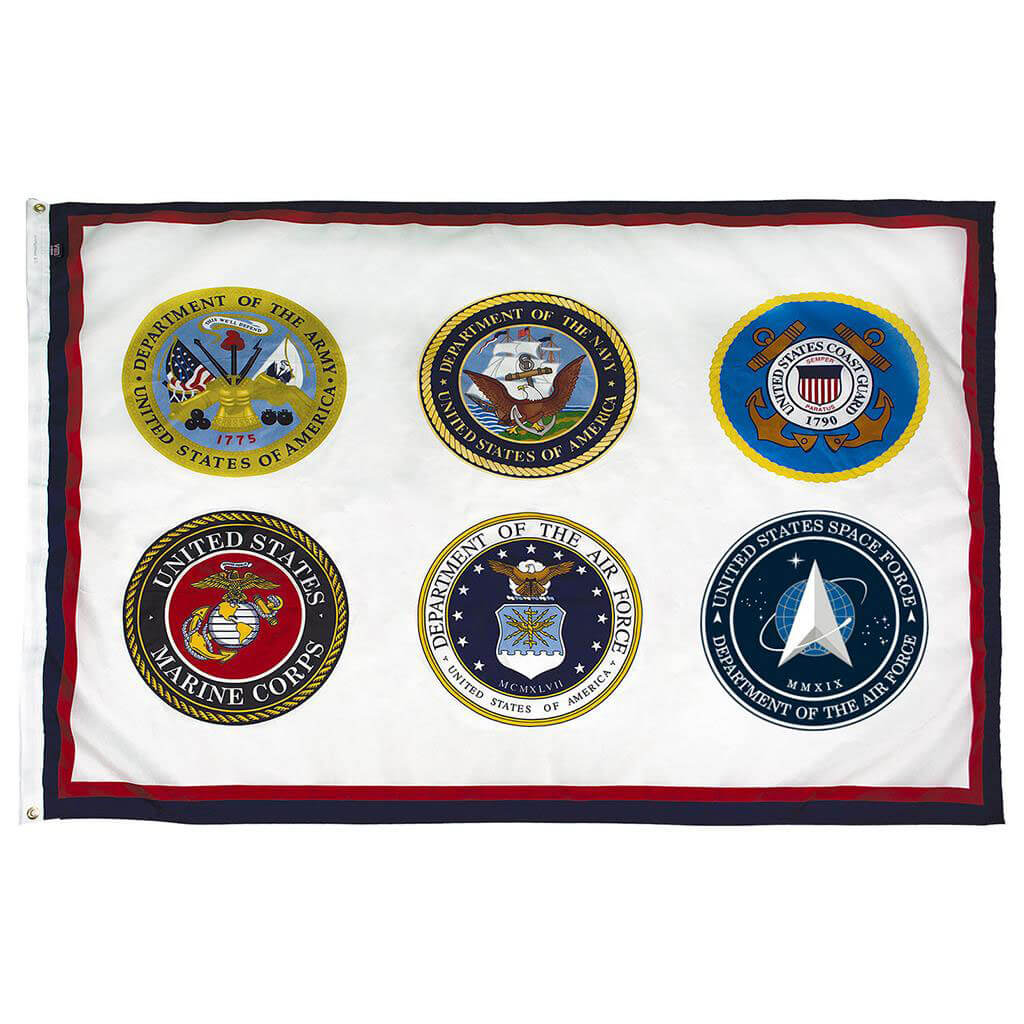
At a community parade in Bremerton, Washington—a historic Navy town—the focus remained resolutely on the human element.
| Branch | Personnel |
| Army | 452,000 |
| Navy | 332,000 |
| Air Force | 320,000 |
| Marine Corps | 174,000 |
| Space Force | 15,000 |
For older veterans, the day is a reminder of the continuity of service. For the newest generation—including members of the Space Force, the youngest military branch—it is a chance to define their own legacy.
“When people think of the military now, they think of satellites and AI,” said Captain Sarah Jenkins, a Space Force operator based in Colorado, who attended a local school event on Friday. “But there’s still a person sitting behind that console, making the ethical choices, enduring the long hours away from home. That’s what we are honoring today.”
As dusk fell on the capital, President Biden issued a proclamation from the Oval Office, praising the “quiet resilience” of the 1.3 million active-duty personnel currently serving worldwide.
Back at Arlington, as the gates prepared to close, Sgt. Lin prepared to head home to his family. For him, the significance of the day doesn’t require a parade or a presidential address.
“It’s just about knowing that the country takes a breath for one day to say, ‘We see you,'” Lin said. “In this job, sometimes that’s more than enough.”